CASE STUDY
Building Products From Scratch
The Challenge: Different Rules for Zero-to-One
Building a product from nothing requires a different approach. There's no conversion data, no A/B tests, and the MVP is more substantial.
I've led zero-to-one launches at DIRECTV (live streaming app), and The New York Times (an innovative content platform that taught me the gap between strong technology and market readiness). And design systems from the ground up at Sling, Ticketmaster, and AXS.
Without strategic validation, you miss the market window, build the wrong thing, or build something the market isn't ready for.
My Approach: Market Validation, Vision Definition, Strategic Launch
I collaborate with partners to validate market readiness first - not just product viability, but whether the customer base and ecosystem exists to support it. This applies to products and features. Even with something like a design system, success depends on the company's appetite to adopt and support what you build.
Before designing anything, we establish principles and a vision that align stakeholders.
We assemble teams comfortable with ambiguity who can move fast with incomplete data.
We define what makes a product viable, not just minimal, because first impressions matter. And that foundational build matters, so we design and build it right, taking smart risks and learning quickly after launch.
Zero-To-One
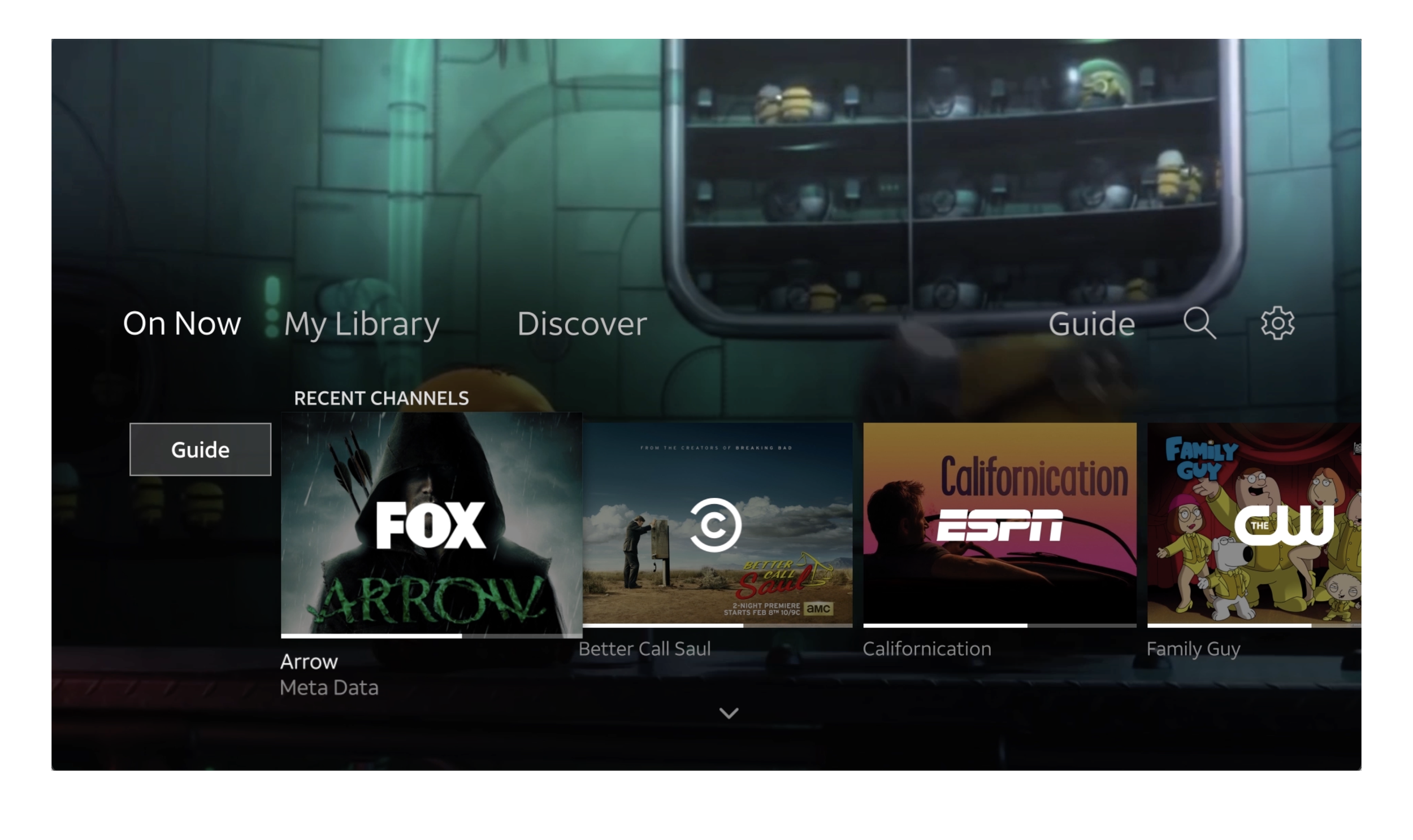
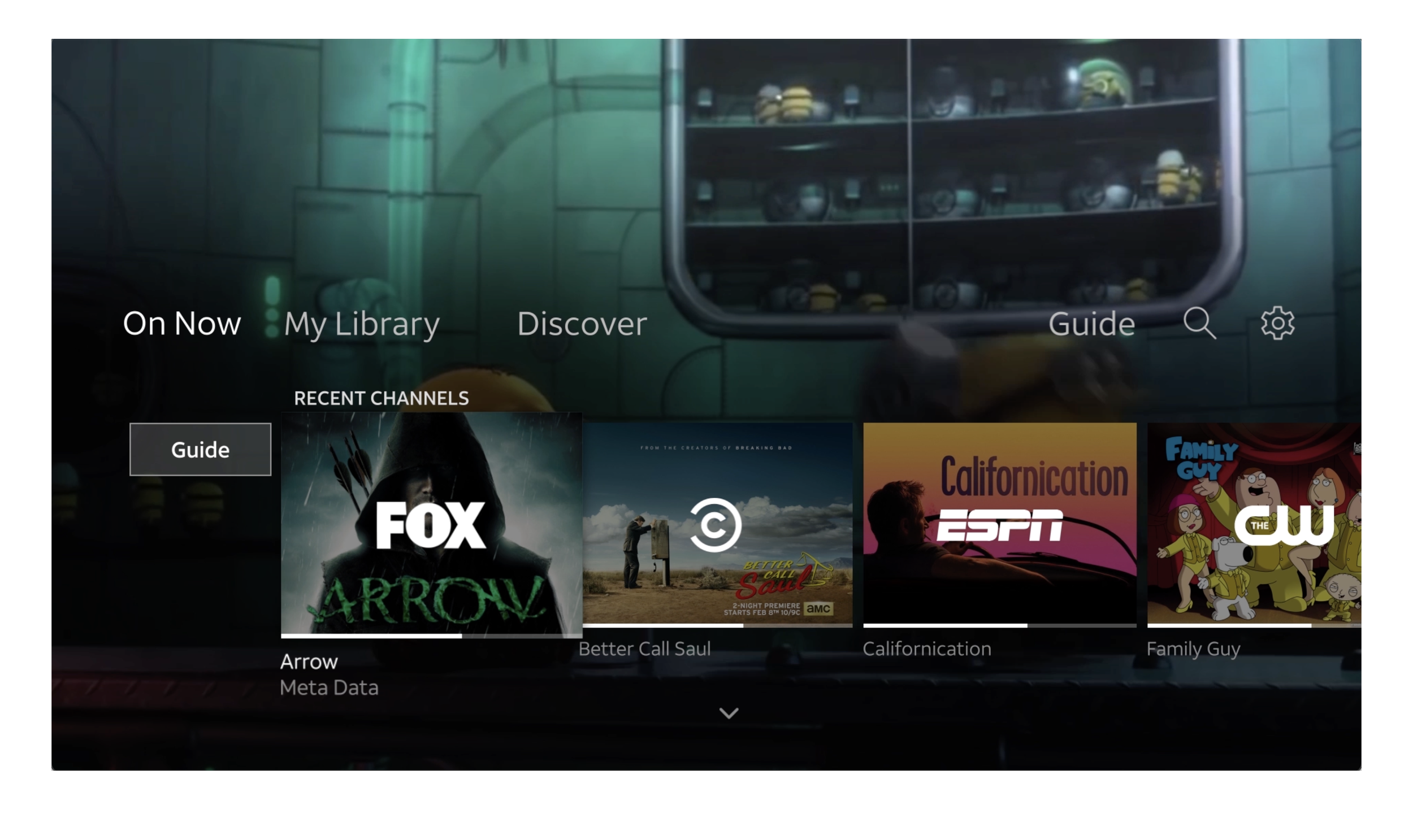
DirecTV: An Industry First
A transitional product for long-time cable subscribers & streamers alike. A year of design, visioning, and qualitative research.
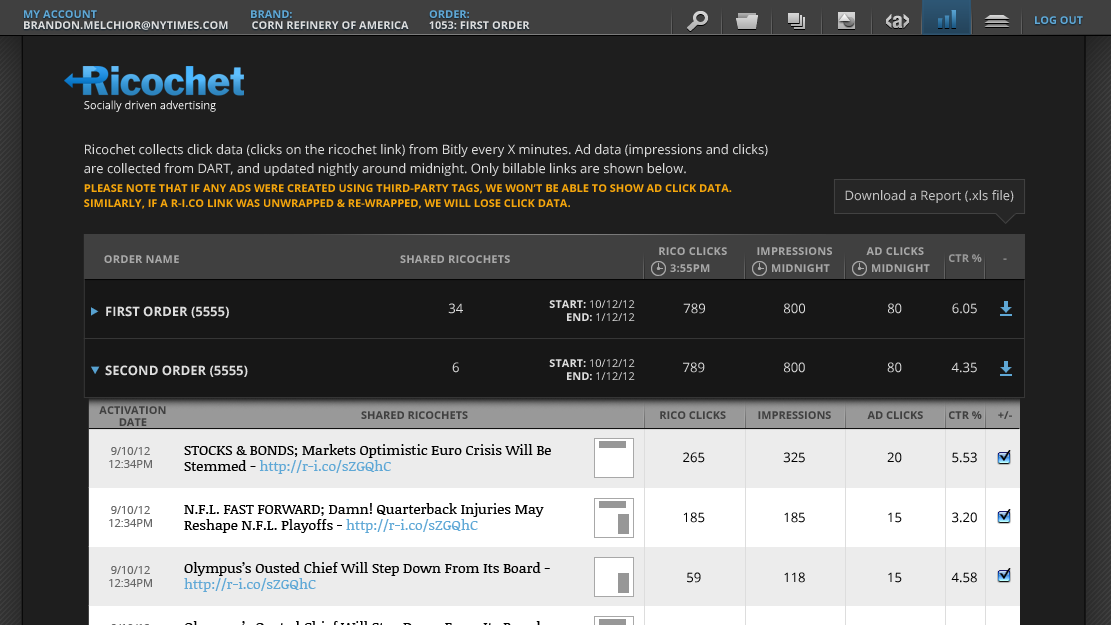
NYTimes: Lessons Learned
Ricochet, a content marketing platform, was a lesson that innovative tech doesn’t create market fit. An experience that would change the way I approach product development.
The Hard Part: Leading Through Uncertainty
Building from scratch means living with uncertainty longer. I work with my peers to create structure and milestones, with recurring research, that gives teams confidence when the product doesn't exist yet. Early decisions ripple for years, so I push for the insights we need, even under pressure to build or iterate fast.
Early in my career, Ricochet, a content marketing platform from the NYTimes R&D Dept. taught me that this foundational research step is not an option, no matter how innovative the technology.
The Results: Products That Scale and Lessons That Last
DIRECTV streaming launched successfully in a competitive market. Three very different design systems at three different companies all shared the same foundation — a tight collaboration between design and engineering from day one. The NYTimes platform taught me to validate market readiness as rigorously as product viability — a lesson that has shaped all of my work since.
The designers who've worked on these launches with me aren't intimidated by ambiguous blank slates. They know how to establish foundations that scale and understand that research and strategic collaboration are as critical as great design.
Three Design Systems
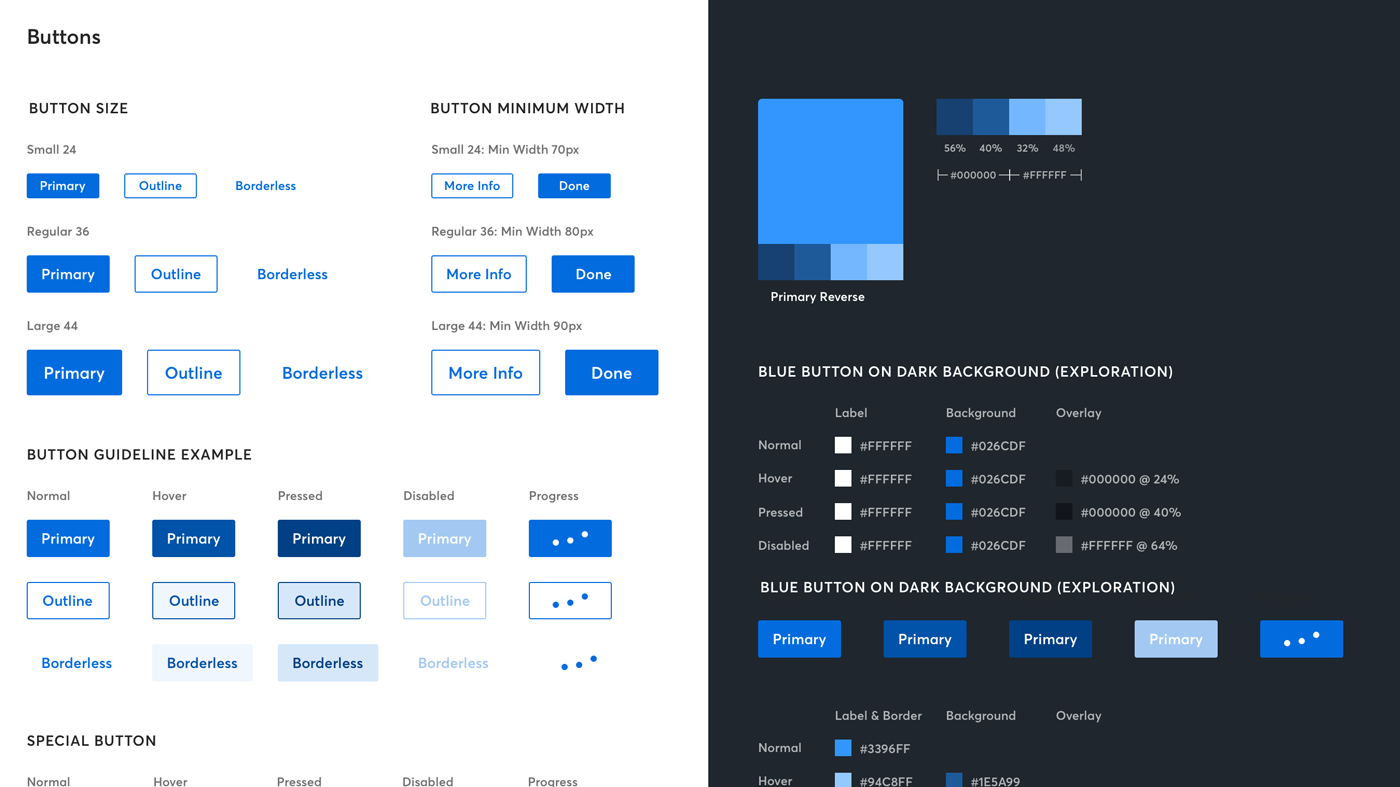
Ticketmaster: Leveraging a platform modernization to build the company’s first global design system across consumer and enterprise products.
AXS: After three failed attempts, a fundamentally different approach based on a design-engineering partnership and a strategic implementation plan.
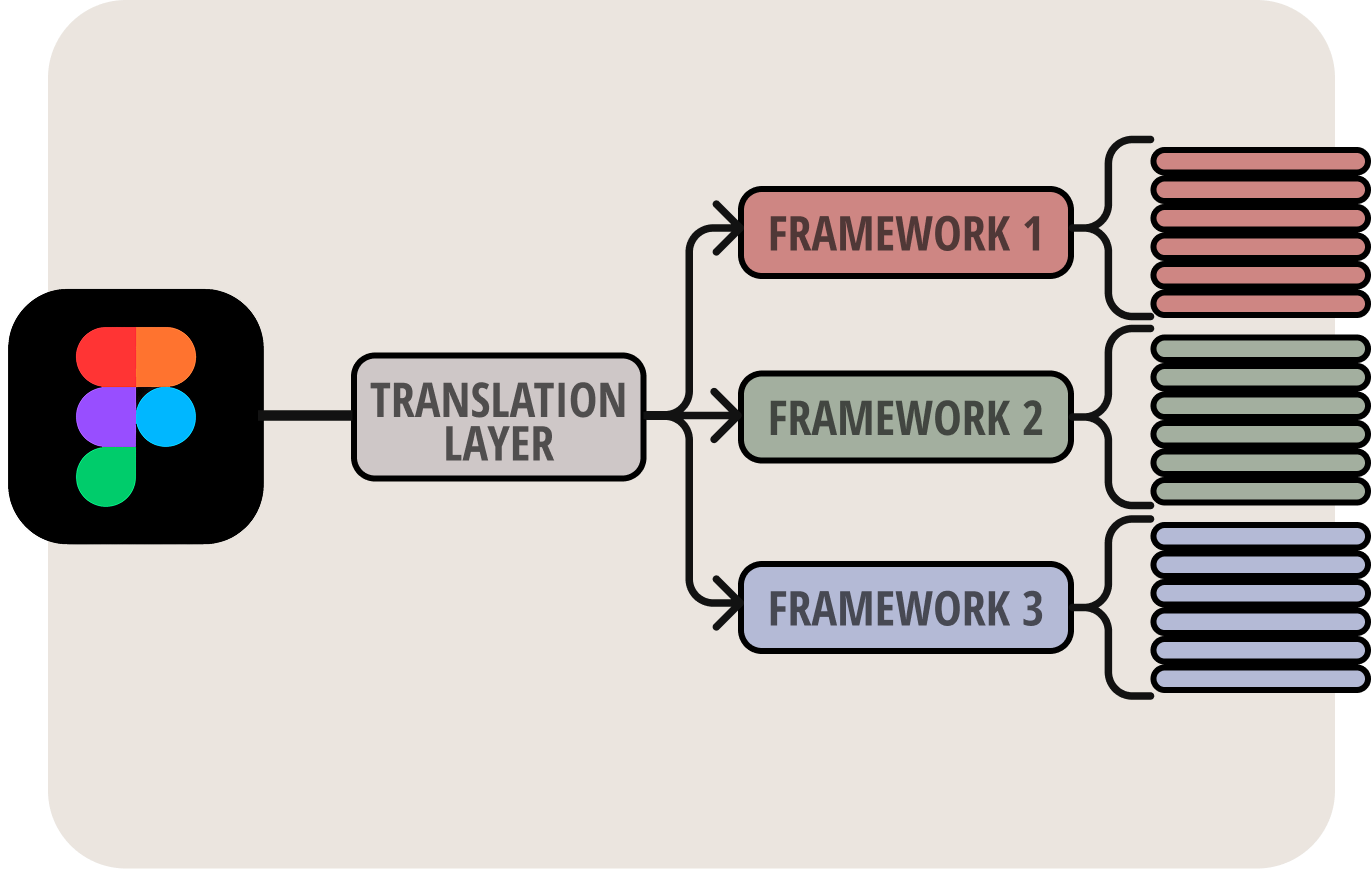
Dish: A need to gain efficiency and consistency across 3 frameworks and 27 devices drove an innovative Figma-to-code pipeline.